
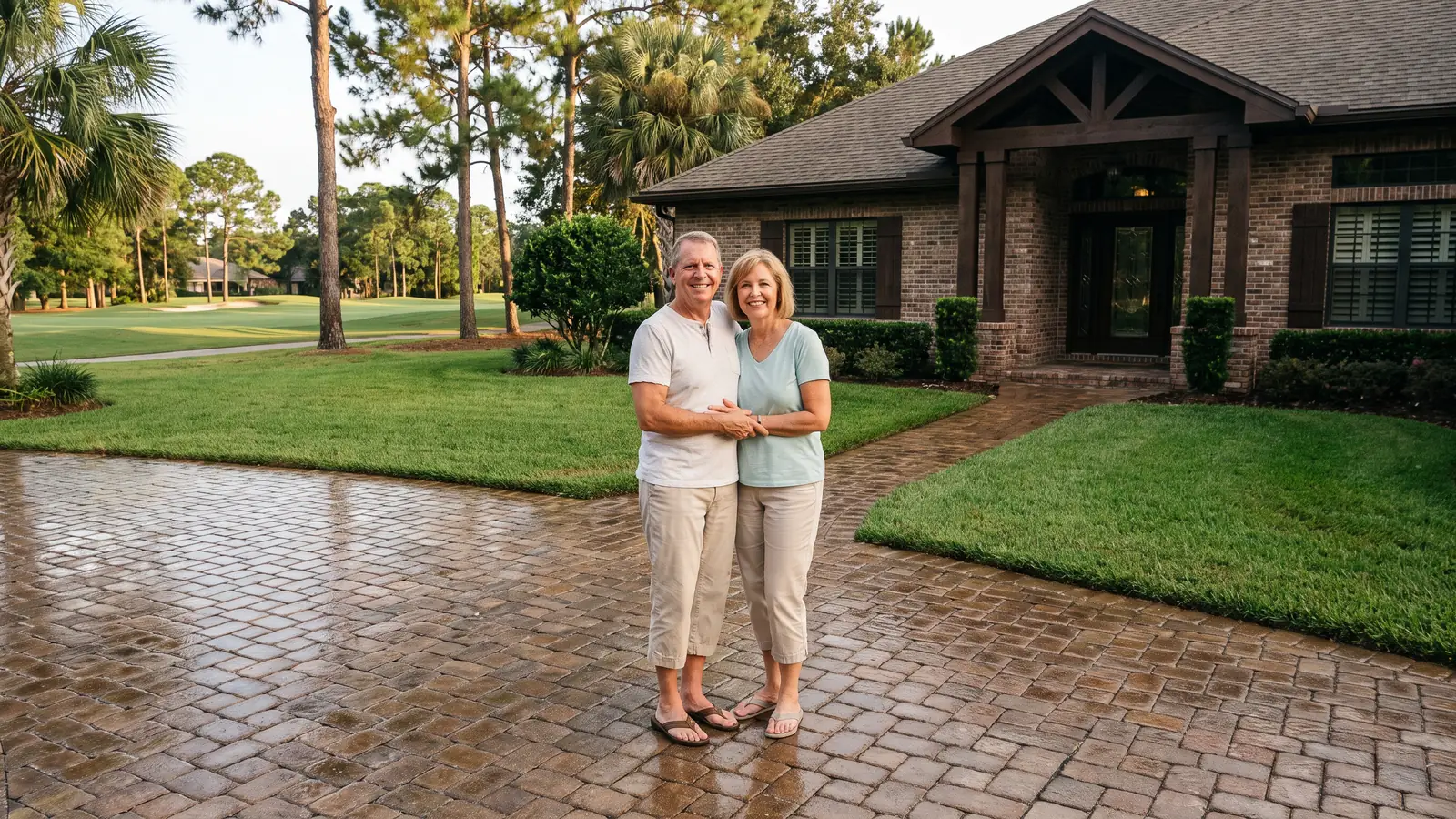
Paver sealing for Southside homes
Paver Sealing in Southside, FL
Skinner land became Southside Boulevard and then driveways; call (904) 817-0508 for a free Southside paver sealing estimate.
- Brings out deeper paver color
- Fresh joint sand helps lock pavers in place
- Gives weeds less room to grow
- Makes the surface easier to keep clean
- Free estimate, no obligation
Request a Free Estimate
Free, no obligation.
Fast, careful paver sealing in Southside
Homeowners across the Southside can book paver sealing with a free estimate, whether the pavers sit in Englewood, Spring Park or a condo court near Town Center. A local contractor cleans, re-sands and seals driveways, pool decks and courtyards. Once you ask for a free estimate, a reply should land within 1 business day, usually much sooner.
Picture your drive after one more summer of storms, with half-empty joints, green creeping in by the garage and color gone chalky. Then picture it after a wash, fresh sand and a new coat, with the pavers reading as one even tone again. That change is what a sealing job is for, and the estimate costs nothing. Call (904) 817-0508 and describe what you see.
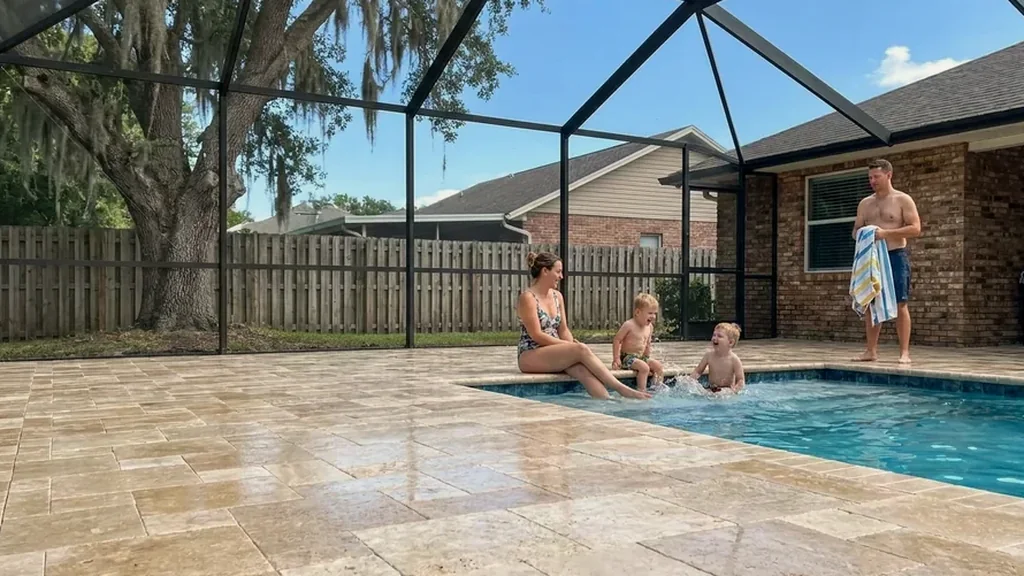
Why hire a local paver sealing contractor in Southside?
Southside homes range from 1926 plats to new condo courts, so one paver job may involve a gate, a board or a rental. A local contractor can sort that out with you at the start, which keeps surprises off the schedule, so ask for a free estimate.
A free look at your pavers
The contractor measures your Southside drive, deck or courtyard at no charge. You get a price in hand before anything is agreed, and no one pressures you.
A posted range for lots like these
Companies around Northeast Florida publish $1.75 to $3.25 per square foot to clean, sand and seal. Hold any Southside bid up against it.
A finish your board can accept
A natural look is likelier to pass an association than a high gloss, one local page notes. Check your own documents before you choose a finish.
Nothing happens without your yes
You pick the date, the finish and whether to go ahead. A Southside estimate carries no obligation.
Get Your Free Estimate in Southside
Tell us about your pavers in Southside.
Free, no obligation
What paver problems show up most in Southside?
Summer storms that empty the joints
Jacksonville averages about 52 inches of rain a year, and most of it falls in short, hard storms between May and September. Safe Touch says those storms pull sand out of driveways and pool decks. Once joints sit empty, weeds move in, which means the green line along your pavers started as missing sand. A flat Southside lot gives that water little slope to run off, so the joints take the hit.
Flat ground that dries slowly
The USDA describes the Pottsburg soil series in Duval County as fine sand on flats, with a water table that sits within 24 inches of the surface for part of the year. A county soil map is not a survey of your lot. Still, it hints at why low spots beside beds and gutters can stay damp after a storm. A damp paver cannot be sealed, so the date may shift a day or two.
Oil, tire marks and sprinkler rust
A Jacksonville paver company lists oil drips, tire marks, fertilizer stains and rust from irrigation water as things driveways collect. The University of Florida adds that most well water here is high in iron and leaves orange marks where sprinklers hit. Those stains get treated before sealing, because sealer would lock them in. A stain left under the coat will show for years.
An old coat nobody remembers
Southside homes were built over about a hundred years, from Englewood's 1926 plat to the newest townhomes. Pavers here may have been sealed once, twice or never, and nobody may remember which. A water-based coat will not take over a solvent-based one, so the first job is finding out what is on the surface. A coat that is peeling or hazy is a clue that the old product needs attention.
Shared patios and association rules
On a shared Southside patio or courtyard, the association usually manages the pavers, one local page says. That can mean a board approves the finish, or that the work is scheduled for the whole building at once. Ask who owns the pavers before anyone books a date. It saves a second trip, an awkward letter and a delay on the calendar.
Does paver sealing change from Englewood to a Town Center condo?
Yes, because the Southside is a patchwork rather than one kind of place. Jacksonville's neighborhood list notes that the name once meant the area across the river, now called San Marco, and today covers a far larger region. A job in Englewood, platted in 1926 along Little Pottsburg Creek, is not the job a newer townhome court needs. Tell the contractor your street when you ask for a free estimate.
Englewood is one of the oldest Southside neighborhoods, and Interstate 95 cut it in half in the 1960s. Spring Park, around Emerson Street and Philips Highway, mixes older homes with apartment complexes, and its styles run from the late 1800s to the mid 1900s. Pavers in places like these may have been laid, patched and sealed by several owners, so the old coat is the first question. Call (904) 817-0508 and name your neighborhood, and the contractor can plan the visit.
Newer pockets add gates and associations. One Southside paver page says a natural-look sealer may count as maintenance, while a high-gloss or color-enhancing finish is more likely to need approval. Florida law lets an association review changes only as far as its declaration or guidelines allow. Read your own papers first, then ask for a free estimate and mention the finish you want, so the contractor can plan around it.
What does paver sealing cost in Southside?
The Northeast Florida range companies publish is $1.75 to $3.25 per square foot to clean, sand and seal. On the Southside, the first things that move a quote are how much old sealer has failed, how many joints are empty and how tight the work area is. A small patio usually costs more per square foot than a long drive, because prep time does not shrink with the area. To get a number for your pavers, ask for a free estimate; the estimate is free.
Gates and condo rules add time more than they add dollars per foot. A gated Southside community may limit contractor hours and vehicle access, one local page notes, so tell the contractor about guard gates and visitor lists. A shared wall or a flight of stairs can slow the work too. Call (904) 817-0508 and mention any of these so the quote counts them.
| Paved area | Typical example | Clean, sand and seal |
|---|---|---|
| 300 sq ft | Small patio or walkway | $525 to $975 |
| 600 sq ft | Two car driveway | $1,050 to $1,950 |
| 1,000 sq ft | Large driveway or pool deck | $1,750 to $3,250 |
| 1,500 sq ft | Driveway plus pool deck | $2,625 to $4,875 |
Math based on the $1.75 to $3.25 per square foot that Northeast Florida paver companies published as of November 2026. Your contractor sets the actual price after seeing the surface. Repairs, leveling and stripping failed sealer are usually extra.
How does a paver sealing job work in Southside?
Measure and learn what is on the surface
The contractor walks your drive, deck or courtyard and notes the size, the slope and any sunken spots. A coat over a dip keeps the dip, so low or lifted pavers get reset first. The contractor also checks whether an old coat is down, because water-based sealer cannot go over solvent-based sealer. If you know who sealed it last, say so at this stage, and keep any product name you can find.
Wash out the oil, tire marks and rust
Cleaning comes next. Oil drips and tire marks on the drive get extra attention, and rust from irrigation gets treated before any sealer goes down. Where pavers meet a condo wall or a neighbor's bed, rinse water is kept from running where it should not. A clean surface is what lets the sealer bond and the color show, which means this stage decides how the finished job looks.
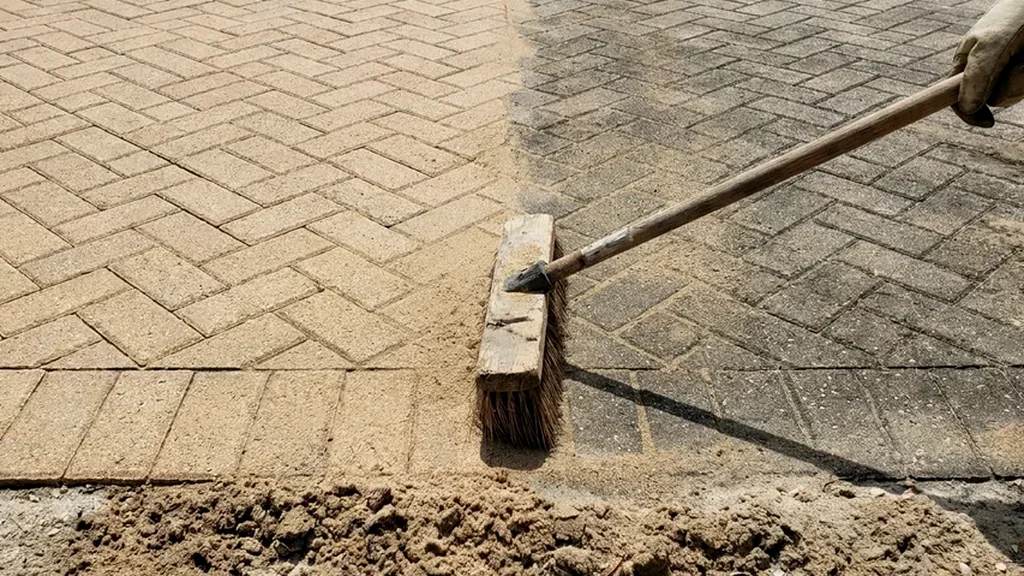
Refill the joints with fresh sand
The wash takes joint sand with it, so the contractor puts fresh sand back before any coat. Full joints give weeds little room and help hold the pavers in place. Safe Touch makes the same point: sealing over empty joints is how weeds return. Expect the joints to be swept clean once they are filled, with the extra sand brushed off the faces of the pavers.
Wait for a dry stretch
Nothing goes on wet stone. Southside rain comes in short storms from May to September, and flat ground can hold water, so the contractor watches the forecast. A local paver company says never to seal damp pavers or right before a downpour. If the sky turns, the date moves and nothing goes on wet. You will hear about the change before anyone shows up.
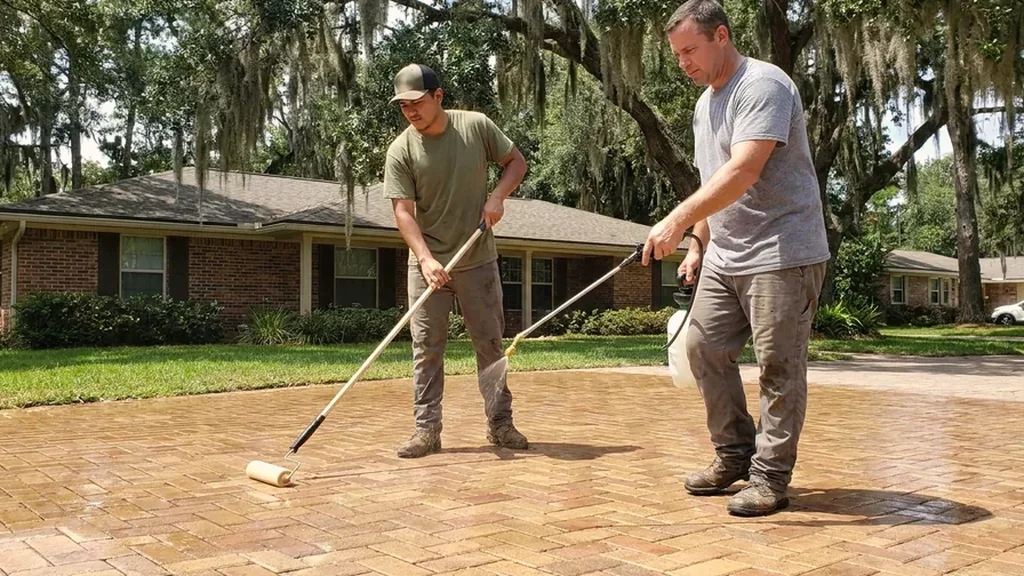
Seal in the finish you chose
The coat goes on in matte or wet look. A wet look shows scuffs sooner, which matters on a drive that sees tires every day. Foot traffic is usually fine within a few hours, and one Jacksonville company says cars need about a day. Most local quotes put the next coat two to five years out.
Complete paver services in Southside
Think of a Southside job as four moves: wash, refill, wait, coat. The wash lifts oil and green film, the sand goes back into the joints and the surface dries before any sealer touches it. Skip a move and the problem shows up within a season, which means a rushed job costs more later. To ask how long each move takes on your lot, call (904) 817-0508.
Driveways carry tires, oil and sprinkler rust. Pool decks and lanai floors get chlorine, sunscreen and splash. Courtyards beside a condo wall often have tight corners that need hand work, and walkways under the eaves stay damp the longest. Each surface wears differently, so tell the contractor which ones you have when you ask for a free estimate.
Sealer comes down to water-based or solvent-based, and then to matte or wet look. An old solvent coat rules out a water-based follow-up, so the first step is learning what is down. Matte is the quieter choice when an association is watching the finish, and scuffs show less on it. Call (904) 817-0508 to talk through which suits your Southside home.
Southside rain arrives in short, hard bursts, mostly May through September. Sunny drives dry fast, while shaded or low spots can hold water long after the sky clears. That is why a sealing date can slide a day or two, and why a good contractor leaves some room in the schedule. For a date that fits your street, ask for a free estimate.
Questions to ask before you hire
- Can you give me a start time window so I can plan around it?
- What happens if a thunderstorm hits the afternoon after the job?
- How long do I keep cars and foot traffic off the pavers?
- Can you seal my pool deck and driveway on the same visit?
- Do you fill the joints before sealing, and with what?
- What do you do if the sealer looks blotchy or peels later?
- What does the price per square foot include, and what costs extra?
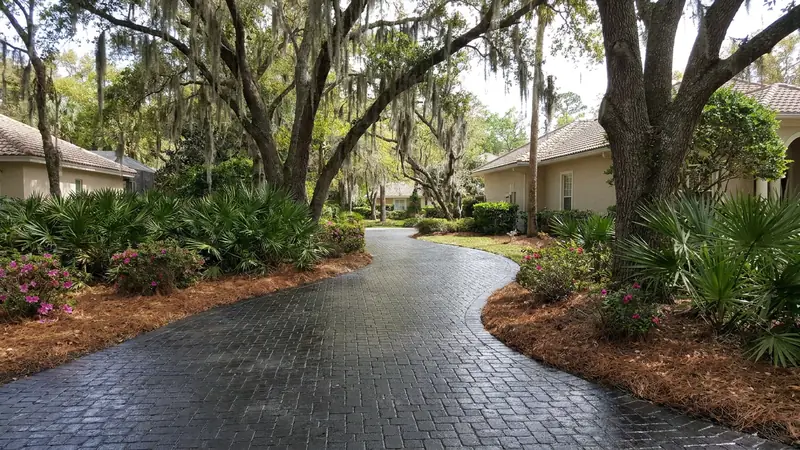
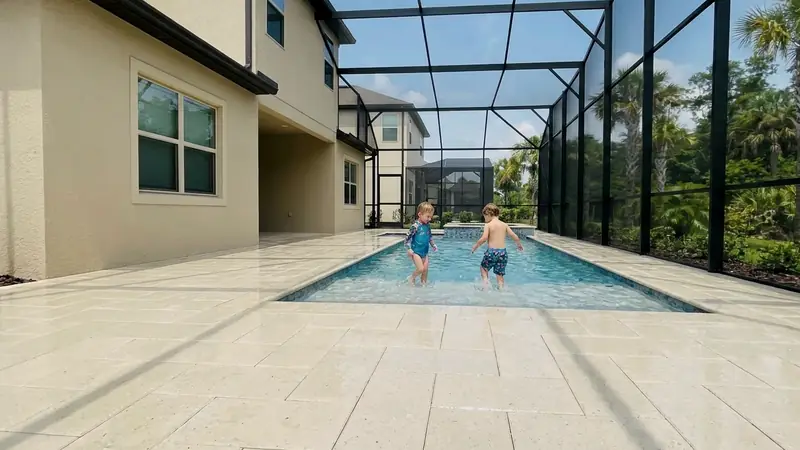
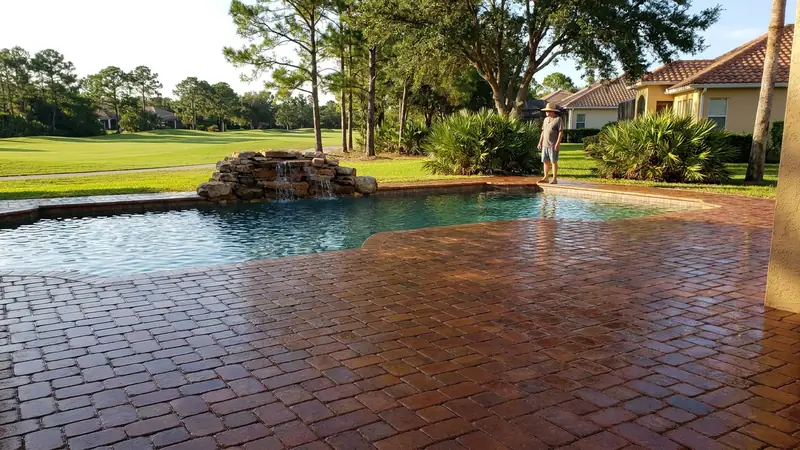
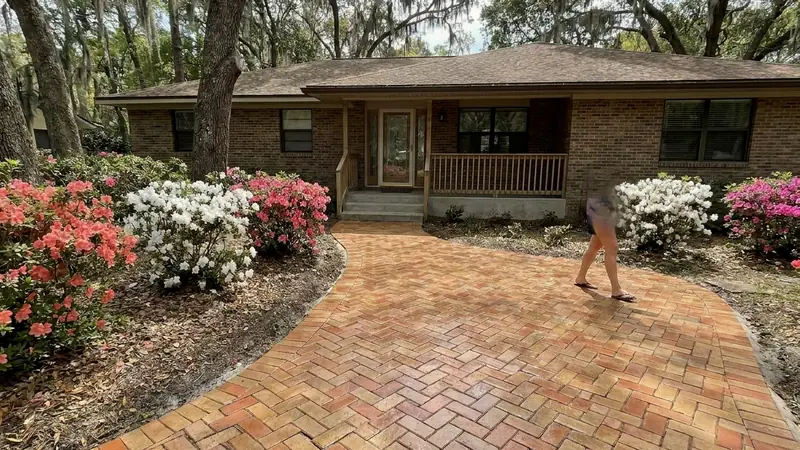
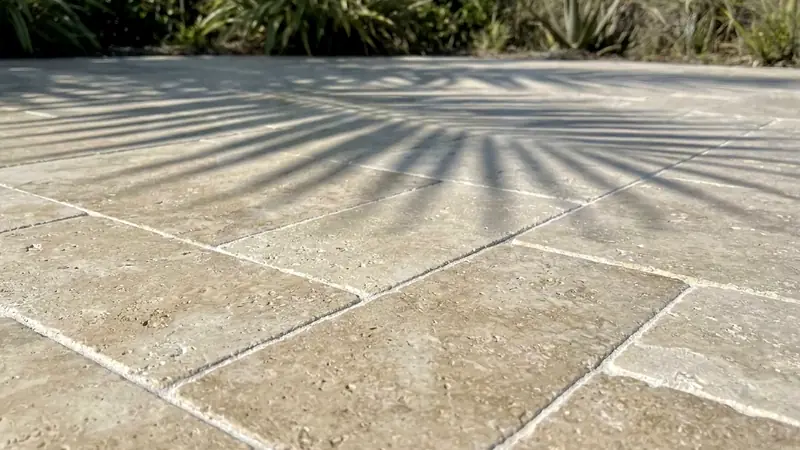
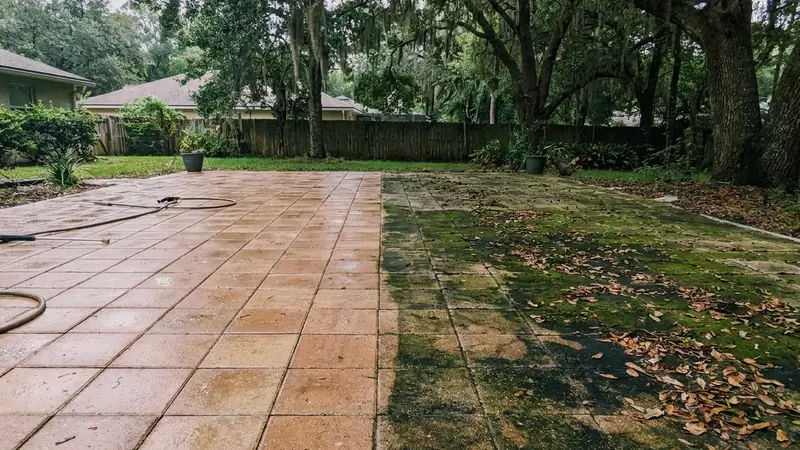
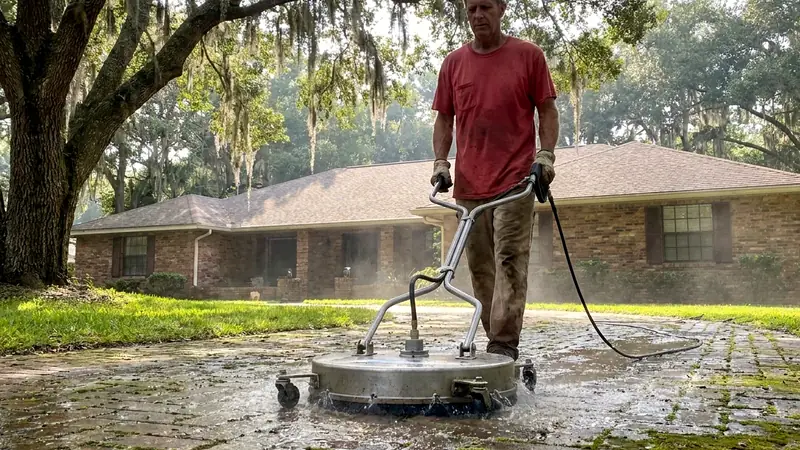
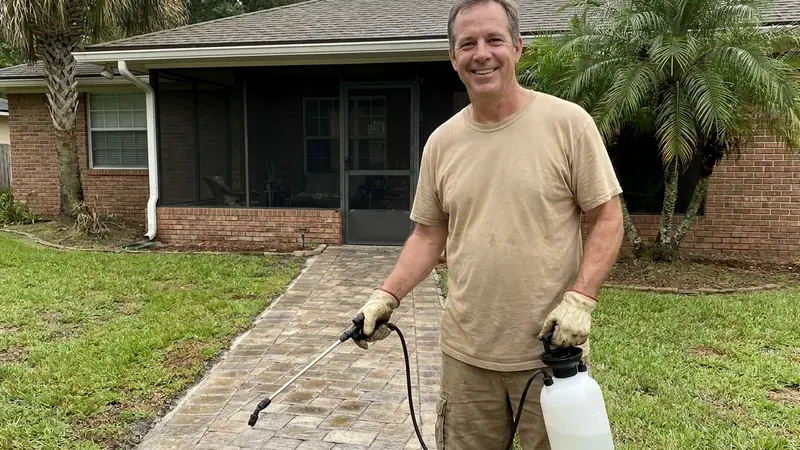
What do sealed pavers look like around Southside?
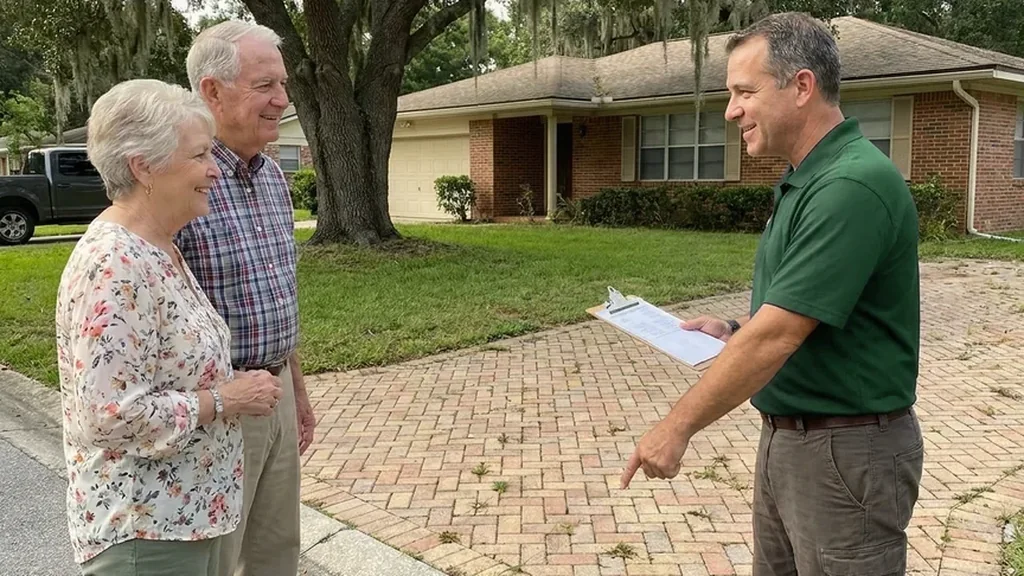
Why local matters in Southside
A contractor who works the Southside will ask early whether your street has a gate, an association or a shared wall. Those answers shape the schedule more than the pavers do. Someone new to the area may only find out at the guard house, with a truck full of gear waiting. To reach a local contractor, call (904) 817-0508.
Ground matters too. Much of the Southside is flat, and county soil maps describe nearby sand as slow to drain. A contractor who knows this builds in extra dry time after rain, which keeps sealer from turning cloudy over damp pavers. You can ask for a free estimate and ask how a contractor plans around wet weather.
Pavers here come from many eras, since homes date from 1926 to this decade. Old coats, thin sand and settled edges are common on the older streets. A local contractor plans for those surprises before the first wash, which means fewer shocks on the bill. If your pavers have a few decades behind them, ask for a free estimate and mention it.
How did Southside Boulevard change where people live?
It opened the land. The Skinner family gave ground for the southern stretch of Southside Boulevard so they could reach thousands of inherited acres, and the road is called key to the growth of the south side. Homes, offices and shops followed the pavement, so many Southside driveways exist because that road did. If your street is one of them, ask for a free estimate.
Shopping came next. Philips Highway Plaza opened in 1960 as Jacksonville's first enclosed mall, and St. Johns Town Center opened on 51.2 acres in 2005 at Butler Boulevard and I-295. Pottsburg Creek still carries the runoff, fed by retention ponds and storm drains, so its level swings a lot. Near any of these places, call (904) 817-0508 and give your cross streets, and the contractor will take it from there.
Frequently Asked Questions
Is it good to seal pavers in Southside homes?
Yes, for most Southside driveways and decks, because sealing slows fading and helps hold joint sand in place. Storms here pull sand out of joints, and open joints let weeds in. Sealer wears down, so plan on a new coat every two to five years, the span companies commonly quote. A free estimate will tell you whether yours is due. Ask the contractor to look at the joints and the color.
How much does it cost to have Southside pavers cleaned and sealed?
Across Northeast Florida the posted rate is $1.75 to $3.25 per square foot, and it covers the wash, the sand and the coat. A small patio often lands higher per foot than a large driveway, since prep time does not shrink with the area. Get the total square footage written down so the math is easy to check. The estimate itself is free.
Why does paver sealing seem so expensive on the Southside?
Prep eats most of the budget, and the sealer itself is the smaller line. The pavers get washed, the joints get refilled and the surface has to dry before any coat goes on. Tight courtyards and failed old coats add hours, which is why quotes vary inside the range. Ask what the price includes before you compare two bids. A clear written scope makes the comparison fair.
Which paver sealer works for Southside driveways in Florida?
Either a water-based or a solvent-based sealer can work, and an old coat decides which one can go on. An old solvent coat means water-based sealer is off the table. Wet look deepens color but shows scuffs sooner than matte, so busy drives often get matte. The contractor can test a small spot before choosing.
Do I need HOA approval to seal pavers in a Southside community?
Possibly, depending on your declaration and guidelines. One Southside paver page says a natural-look sealer may count as maintenance, while a color-enhancing or high-gloss finish is more likely to need approval. Under Florida law a board's say over your pavers reaches only as far as its own documents. Ask your board before the work is scheduled.
Can a shared condo patio near Town Center be sealed?
It can, but the association usually decides. Shared patios, courtyards and walkways are typically managed by the board or a management company. Ask them who approves the work and when the contractor may come. Then give the contractor the contact name so access is sorted before the day.
How soon can sealing happen after rain on the Southside?
Not until the pavers are fully dry, which can take a day or more after a hard storm. Sealer needs a dry surface, and shaded or low spots take longer. The contractor will check the forecast and move the date rather than seal damp pavers. A short delay is better than cloudy sealer. Ask the contractor to text you when the surface is cleared to coat.
How long do I stay off a newly sealed Southside driveway?
Plan on foot traffic within a few hours and keeping cars off for about a day, according to one Jacksonville company. Sealer type and the day's weather set the exact time. Ask the contractor for a firm time before you park in the garage again. Ask if you can park on the street that night.
Nearby areas we serve
Ready for a Free Estimate in Southside?
Call (904) 817-0508 and tell us about your pavers.
Free, no obligation