
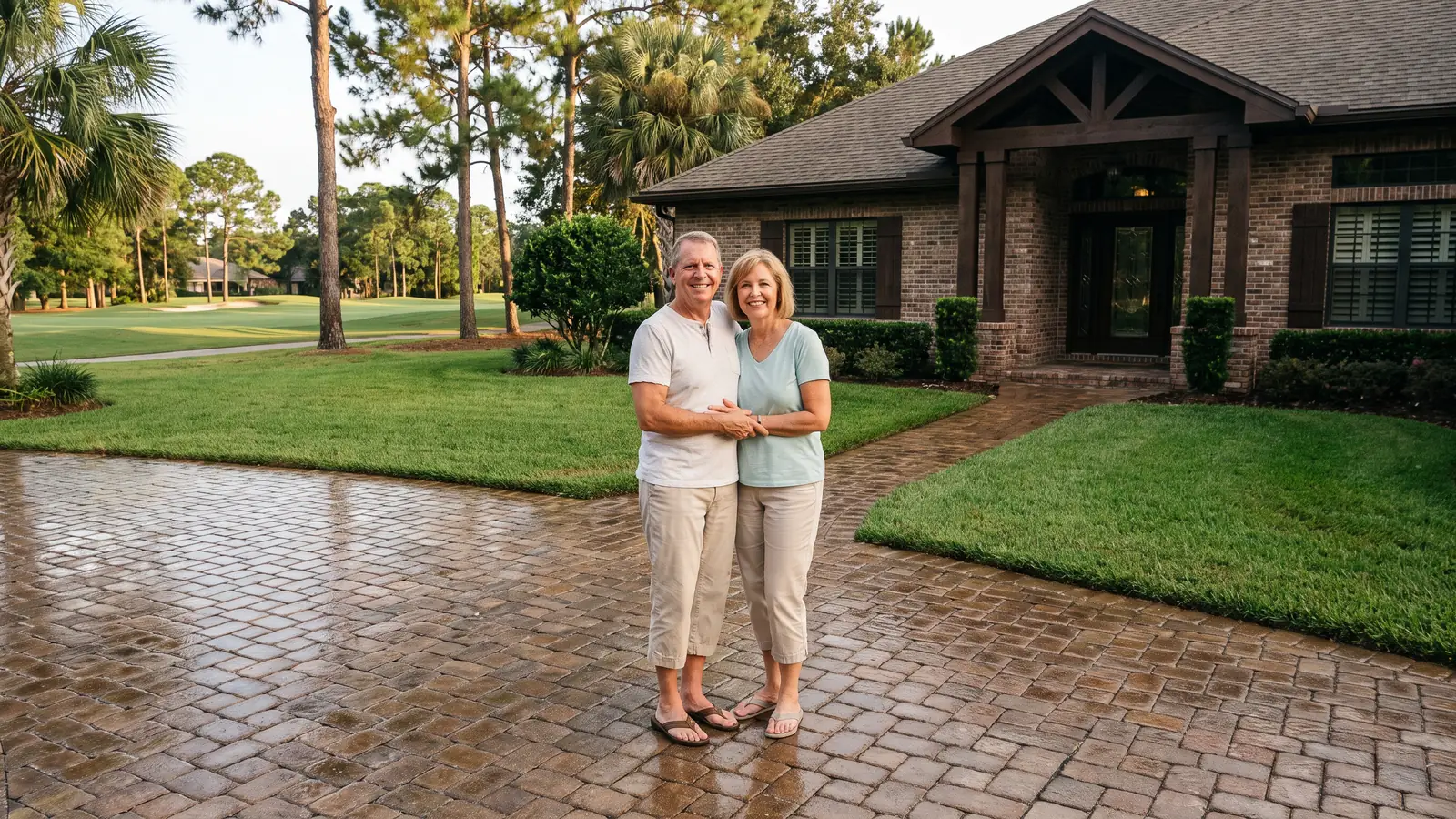
Paver sealing for San Jose homes
Paver Sealing in San Jose, FL
Where John Nolen drew 1,911 lots in the 1920s, San Jose pavers get a free sealing estimate; call (904) 817-0508.
- Brings out deeper paver color
- Fresh joint sand helps lock pavers in place
- Gives weeds less room to grow
- Makes the surface easier to keep clean
- Free estimate, no obligation
Request a Free Estimate
Free, no obligation.
Fast, careful paver sealing in San Jose
Paver sealing is available across San Jose, from the oak-lined streets near the river to the postwar blocks off University Boulevard, and the first estimate is free. A local contractor cleans, re-sands and seals driveways, walks, courtyards and pool decks. If you ask for a free estimate, an answer comes back in 1 business day at most, usually much sooner.
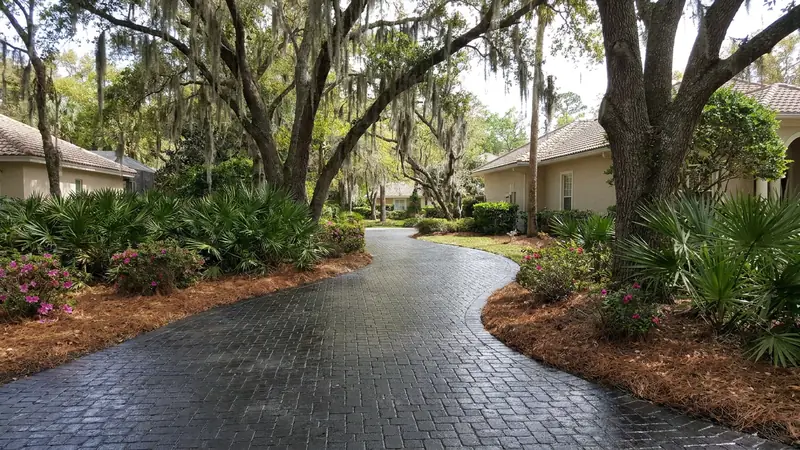
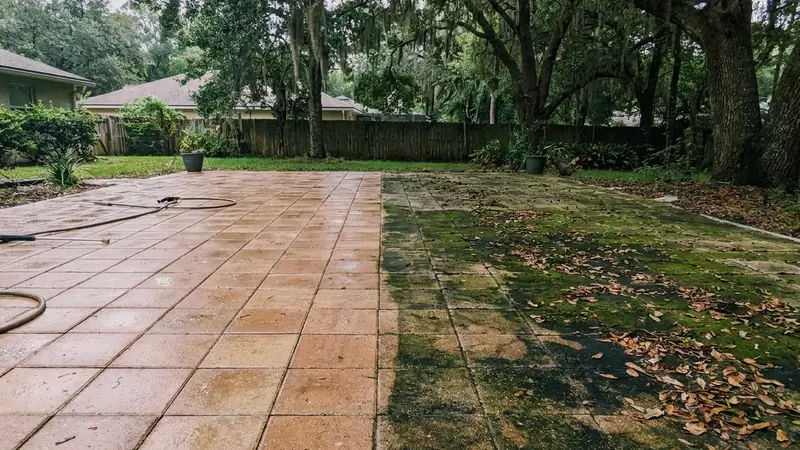
Think of a drive under a big live oak: brown leaf prints in the stone, green along the shaded edge and joints worn down to a thin line. After a proper wash, new sand and a coat, the pavers return to one clean color and the leaf prints rinse away. Photos help the first estimate. To describe yours and hear what a visit involves, call (904) 817-0508.
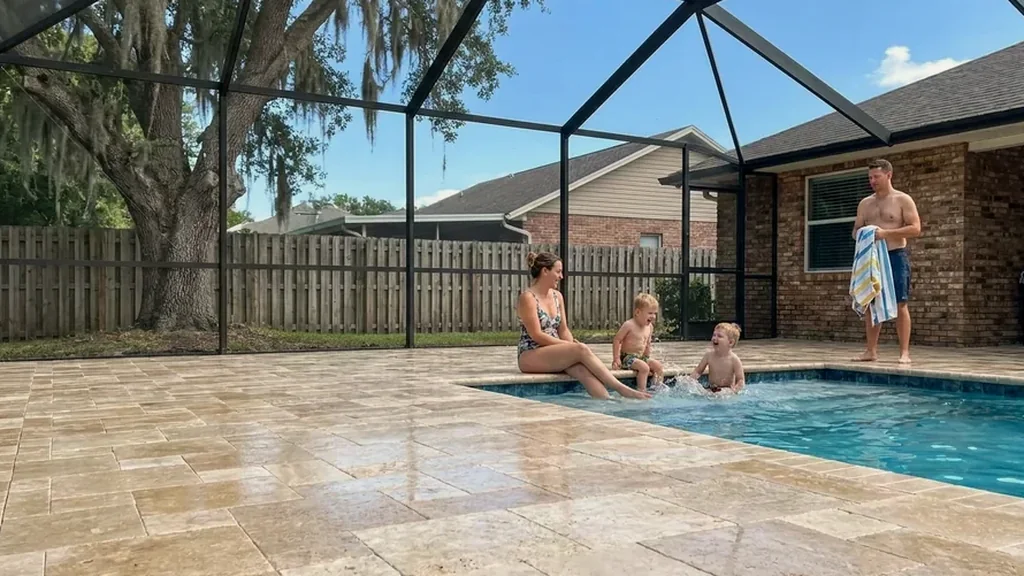
Why hire a local paver sealing contractor in San Jose?
San Jose pairs old oaks and a tidal river with homes from the 1920s to today, and each of those changes how pavers weather. A local contractor can read that on your lot quickly, so ask for a free estimate.
A free look at the lot
The contractor sees your San Jose drive, walk or courtyard at no charge and gives you a price. Asking carries no obligation, and you choose what happens next, including nothing.
A figure to test each bid against
Companies in Northeast Florida commonly publish $1.75 to $3.25 per square foot to clean, sand and seal. Compare any San Jose quote with that range, and ask what each line covers.
A finish that suits an older house
Matte sits well beside Spanish Revival stucco or a midcentury brick ranch. A wet look gives more shine but shows scuffs sooner, so choose for how the surface is used.
Your lot, your call
You choose the date and the finish. If a board or a historic review is involved, you can check first, decide after and still keep the estimate in hand.
Get Your Free Estimate in San Jose
Tell us about your pavers in San Jose.
Free, no obligation
What paver problems show up most in San Jose?
Leaf stains under live oaks
UF/IFAS says a live oak can spread 60 to 120 feet, so one tree can shade a whole front yard. A Jacksonville paver company lists leaf tannins from street oaks among the things driveways collect, and says tannin stains can soak in permanently over years without sealer. Fresh sealer on a clean surface lets leaf prints rinse off instead. Even a drive that gets sun in the morning and shade in the afternoon will show a clear line where the stain stops. Washing helps, and the coat is what keeps the next fall of leaves from leaving a mark.
Black mildew where it stays shady and wet
A Jacksonville company says shaded and sprinkler-hit pavers grow black mildew fast. San Jose has plenty of oak canopy, and Jacksonville rain averages about 52 inches a year. Where branches and sprinklers meet, the green line tends to return. Cleaning has to come before sealing, or the mildew gets coated in. A wash that kills the growth, and not only the surface color, is what keeps it away longer.
Storm debris and heavy cleanup
During Hurricane Irma, a WJXT reporter wrote that almost every street along San Jose Boulevard near the country club had huge trees down. Big storms bring limbs, mud and pressure from heavy equipment. Pavers that were driven over or buried in debris may have lifted edges and thin joints, so the contractor checks for that first. Fixing lifted edges before sealing keeps water from getting under the stones, which is where small dips begin. Fixing lifted edges before sealing keeps water from getting under the stones, which is where small dips begin.
Mixed ages and unknown coats
San Jose has homes from several eras, including Spanish Revival bungalows, midcentury ranches and newer builds. A drive laid in one decade may have been sealed in another. A water-based coat will not bond over a solvent-based one, so the contractor learns what is on the stone before choosing the new product. If you can, ask a previous owner or a neighbor what was used, and keep whatever you learn for the next coat. A neighbor or the previous owner may remember what was used, and any note you keep helps the next coat.
Rules that depend on the street
Jacksonville requires a Certificate of Appropriateness for exterior work in local historic districts and on landmarks, and the city lists driveways among the outside work it covers. Gated communities and planned developments may have their own boards. Check your address before you book, since a short call can save a long delay. The contractor can help you word the question. A phone call to the city or your board costs nothing.
Does a San Jose Estates home need different sealing than a postwar ranch?
Often yes, because older and newer homes here carry different rules and different surfaces. San Jose Estates was laid out in the 1920s by landscape architect John Nolen, and only 31 homes were built by 1928. Postwar blocks and newer developments filled in the rest. Tell the contractor which part of San Jose you live in when you ask for a free estimate, and send a photo of the front.
Six houses on Via de la Reina were added to the National Register of Historic Places in 1985, and the Spanish Revival look runs through the older blocks. Matte sealer usually suits stucco and clay-colored fronts better than a high gloss. A wet look is a matter of taste, though it shows scuffs sooner. Call (904) 817-0508 to talk finishes before you decide.
Gated communities and planned developments add another layer, and so do local historic districts. Florida law lets a homeowners association review changes only to the extent its documents state, while the city asks for a Certificate of Appropriateness on exterior work in a historic district. If you are unsure which applies, ask for a free estimate and the contractor can help you ask the right office.
What does paver sealing cost in San Jose?
Plan around the Northeast Florida range of $1.75 to $3.25 per square foot for clean, sand and seal. San Jose lots can be large, with long drives, courtyards and pool decks, so total area drives the quote. A failed old coat adds cost, since strip-and-reseal sits higher in the range one company lists. For a number on your lot, ask for a free estimate; there is no charge and no obligation.
Shade and age move the price in a quieter way. Heavy mildew and tannin take longer to wash, and older pavers may need more joint sand. A gate or a narrow historic lane can slow the equipment too. A short call to (904) 817-0508 settles most of this, so mention both.
| Paved area | Typical example | Clean, sand and seal |
|---|---|---|
| 300 sq ft | Small patio or walkway | $525 to $975 |
| 600 sq ft | Two car driveway | $1,050 to $1,950 |
| 1,000 sq ft | Large driveway or pool deck | $1,750 to $3,250 |
| 1,500 sq ft | Driveway plus pool deck | $2,625 to $4,875 |
Math based on the $1.75 to $3.25 per square foot that Northeast Florida paver companies published as of November 2026. Your contractor sets the actual price after seeing the surface. Repairs, leveling and stripping failed sealer are usually extra.
How does a paver sealing job work in San Jose?
Walk the lot and read the stone
The contractor looks at the drive, walk and patio, noting shade, drainage and any lifted or sunken pavers. A dip under a coat stays a dip, so those spots are reset first. The contractor also asks what was used before, and whether anyone remembers the product. Mention any storm damage or past high water on your lot, since it changes what to look for.
Clean off the leaf prints and green
Washing tackles mildew, tannin and oil. Stains that are deep are treated before sealing, because a coat can fix them in place. Rinse water is kept off wood trim and old stucco where pavers meet the house. Clean pavers also show their real color, which helps you pick a finish with the stone in front of you.
Put the joint sand back
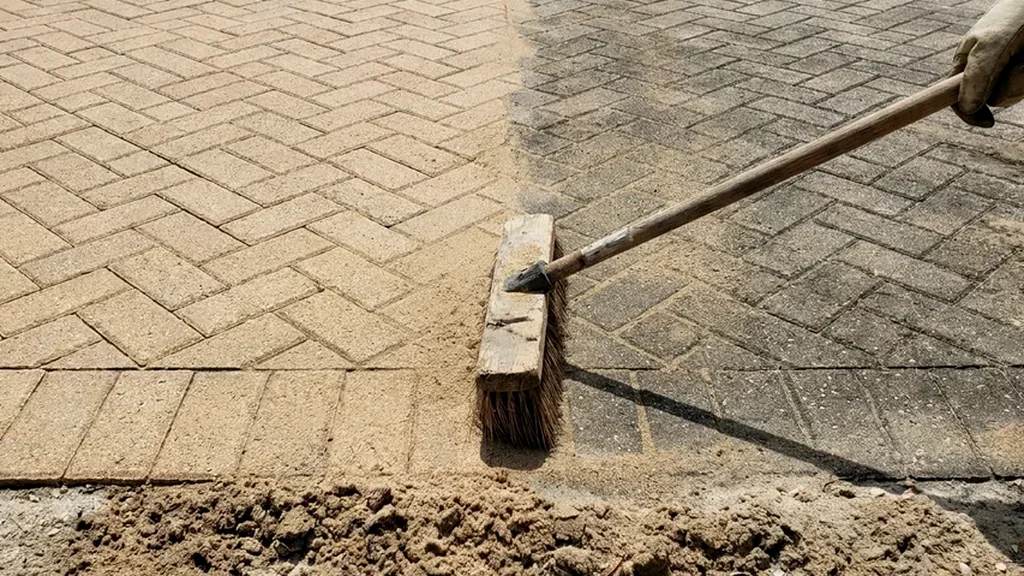
The wash pulls sand from the joints, so the contractor refills them until they are full and sweeps the surface clean. Full joints help resist weeds and keep the stones from shifting. Older drives often need extra sand, and thin joints beside the drive edge get the most attention.
Pick a dry day under the oaks
Coating has to wait for dry stone. Shaded San Jose pavers can stay damp longer than sunny ones, and summer storms arrive fast. The contractor checks the pavers by hand and the forecast by phone before coating. Waiting an extra day costs little, and it protects the finish for years. Waiting an extra day costs little and protects the finish for years.
Spray, roll and let it set
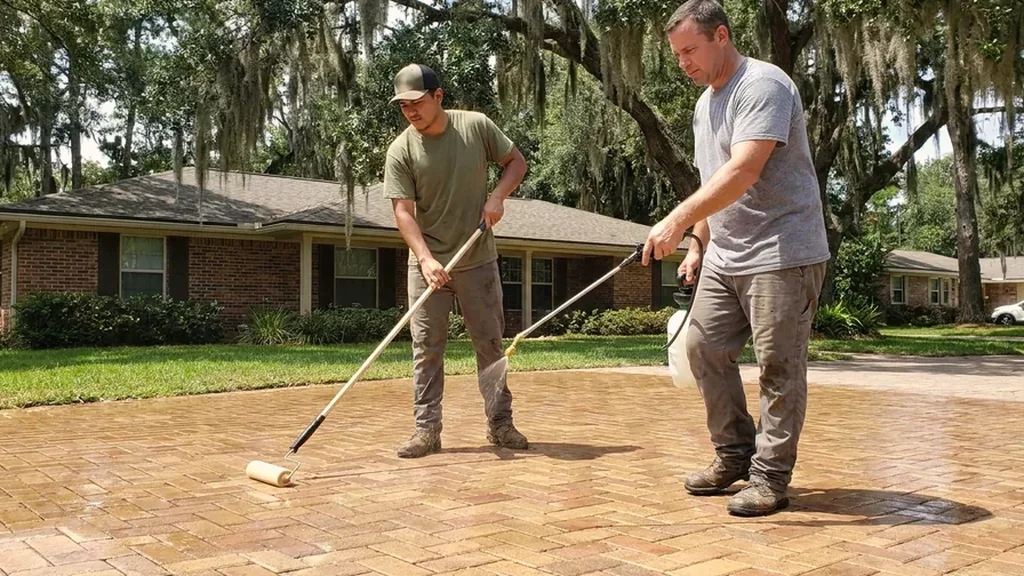
One Jacksonville company says professionals spray the sealer and then back-roll it into the joints. You choose matte or wet look. Plan on walking within hours and parking elsewhere for about a day. Matte shows fewer scuffs from daily tires than a wet look does, which suits a busy family drive.
Complete paver services in San Jose
San Jose work follows an order that suits shady lots: wash first, refill the joints second, dry the surface third and seal last. The wash matters most under oaks, because mildew left under a coat shows through it. Skipping that step is the most common way a coat fails. To ask how long each stage runs on your lot, call (904) 817-0508.
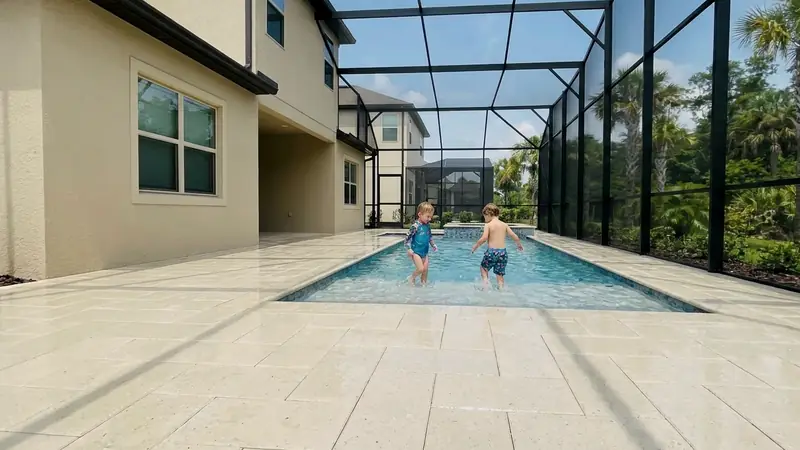
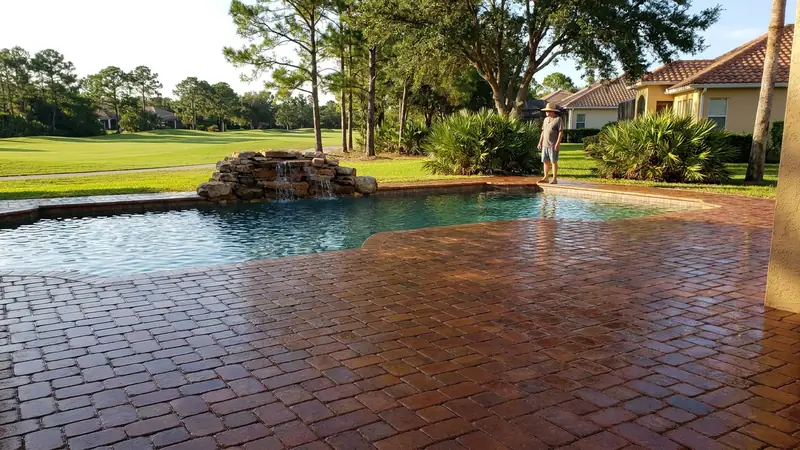
Driveways under street oaks collect leaf tannin and oil. Courtyards near older stucco need careful rinsing, and river lots may have pool decks that need a sealer with grip. Each surface asks for its own care, so a good quote lists them one by one. Tell the contractor which ones you have when you ask for a free estimate.
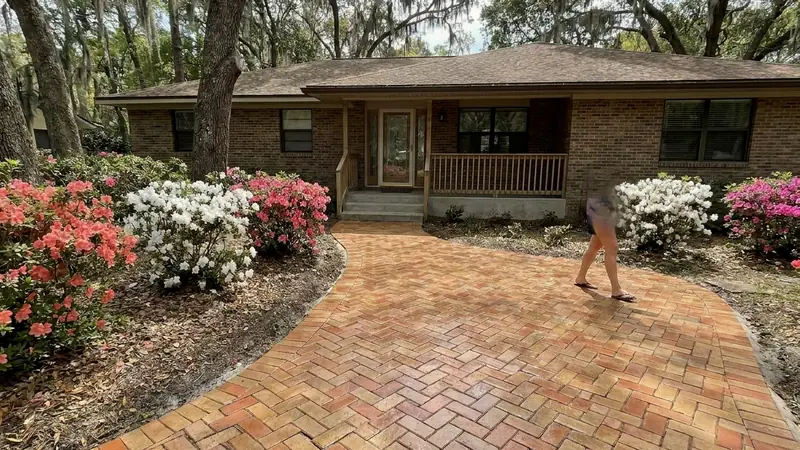
A San Jose home may have a Spanish Revival front, a midcentury ranch face or a modern build. Matte is the usual match for the older looks, since it keeps pavers from outshining the house. A wet look suits some newer homes. Call (904) 817-0508 to talk through the finish for yours, and ask to see a sample first.
Timing follows the rain and the shade. Summer storms are short and heavy, and canopy slows drying beneath the oaks, so a shady walk may need an extra day. The drier months, November to April, leave more room in the schedule. For a date that fits your street, ask for a free estimate.
Questions to ask before you hire
- Do you cover or mask plants, screens and light fixtures near the work?
- Do you wash with a surface cleaner or a hand wand?
- How long do I keep cars and foot traffic off the pavers?
- How do you handle the paver edges next to my lawn and landscape beds?
- Will you test a small spot of my pavers before you pick a sealer?
- Do you fill the joints before sealing, and with what?
- Can you seal my pool deck and driveway on the same visit?
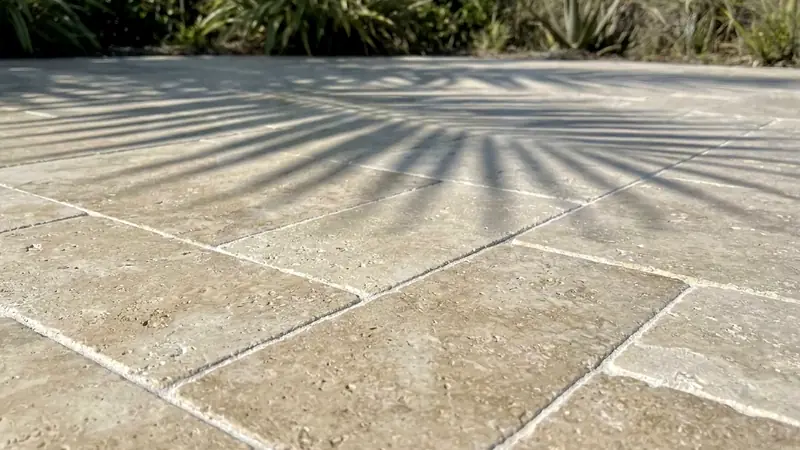
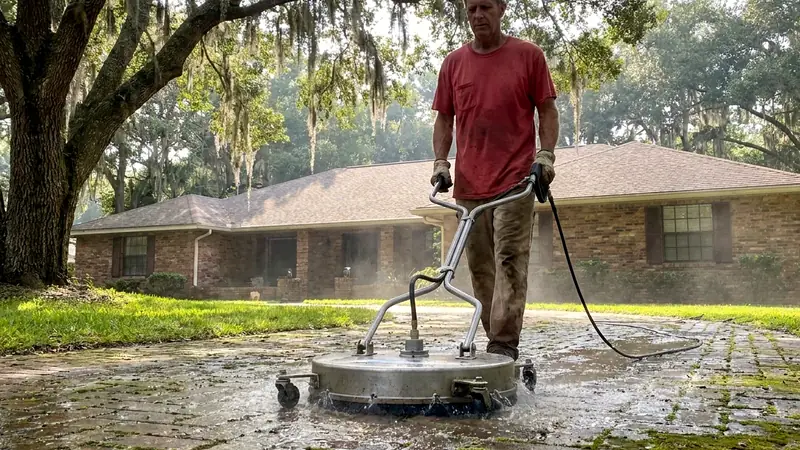
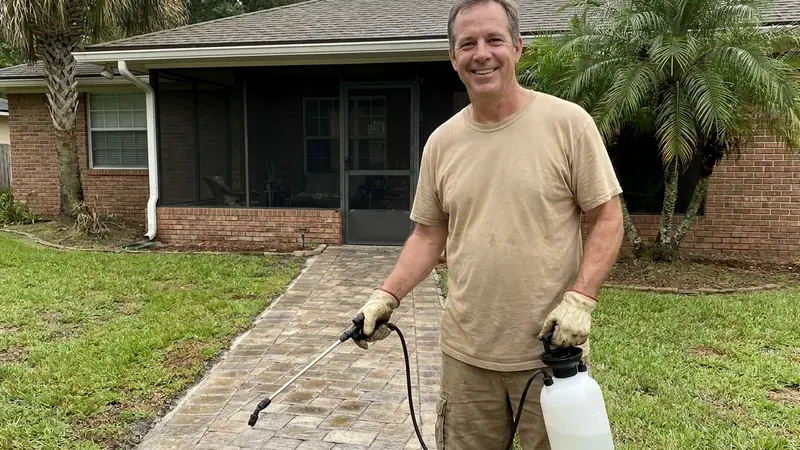
What do sealed pavers look like around San Jose?
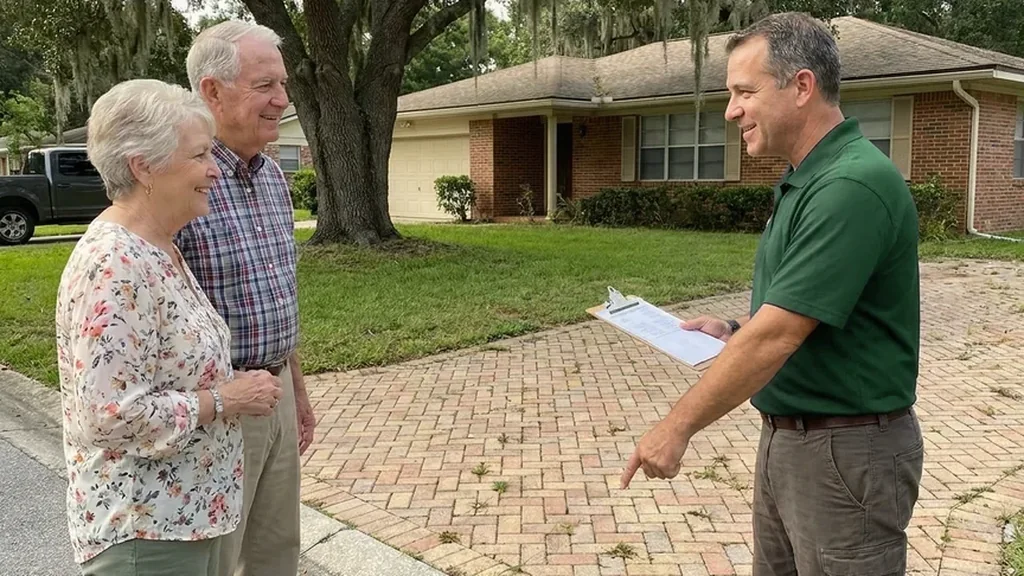
Why local matters in San Jose
A contractor who works San Jose knows the oaks and the river. Live oaks here spread across whole lots, and the St. Johns shifts with the tide just a few streets away. That mix changes how long pavers stay damp, which is the part of the job most people miss. To reach a local contractor, call (904) 817-0508.
Local knowledge also covers the paperwork side. Some San Jose blocks sit in historic districts, and others sit in gated developments with their own boards. A contractor used to the area knows to ask early who has to approve the work. You can ask for a free estimate and share what your street requires.
Storm history matters here too. Irma left huge trees down along San Jose Boulevard in 2017, and many homes have lived through cleanup since. A contractor who knows that looks closely at edges and joints before sealing anything. If your drive took a hit, ask for a free estimate and mention it.
Who laid out San Jose, and does it still show on the streets?
John Nolen did, in the 1920s, and parts of it still show. His plan used a radial street pattern with Spanish city names around Plaza del Sanchez, and it called for paved sidewalks on every street, which was rare in Florida suburbs then. The first phase of 1,911 lots sold out by August 1925. If your street is one of his, ask for a free estimate.
The Depression stopped most of it, and the northwest part of his plan survives around the old duPont Junior High. Epping Forest, the 58-acre duPont estate with a 1927 mansion, sits on the river, and The Bolles School grew from the San Jose Hotel in 1933. Goodbys Creek Preserve marks the line with Mandarin. If you live close to one of them, call (904) 817-0508 and give your street name.
Frequently Asked Questions
Is it good to seal pavers in San Jose?
Yes, especially under oaks, because sealer helps leaf stains and mildew rinse off instead of soaking in. It also holds joint sand, which keeps weeds out. Because it wears, plan for a new coat in two to five years, per what companies commonly quote. Ask the contractor to check one shaded corner and one sunny corner, since they often differ. A free estimate will tell you if yours is due.
What is the average cost to seal pavers in San Jose?
Posted Northeast Florida prices run $1.75 to $3.25 per square foot for cleaning, sanding and sealing. Large San Jose lots add area, and a failed old coat adds cost. Have the quote state the square footage of every surface. The estimate itself is free, and you can check it against the published range.
Is it better to spray or roll paver sealer?
Many Jacksonville companies do both. One says professionals typically spray for even coverage and then back-roll to work the sealer into the joints. Ask how the coat will go on your pavers. Either method can work when it is done carefully.
Why is paver sealing so expensive around San Jose?
The biggest share of the price goes to labor before the coat, not to the sealer. Washing off mildew and tannin, refilling joints and waiting for a dry surface all take time. Shaded San Jose lots often need extra washing. Ask for a written scope that lists cleaning, sand and sealer so you can compare quotes. A written scope makes it plain where the money goes.
How much does it cost to clean and seal pavers in San Jose?
Budget within the same $1.75 to $3.25 per square foot range. The job moves up or down with shade, stains, joint sand and the old coat. A free estimate shows where your pavers land. A quote that includes strip-and-reseal will run higher, since the old coat has to come off first. The same range applies to a walk or a pool deck.
Do I need city approval to seal pavers in a San Jose historic district?
Possibly. Jacksonville requires a Certificate of Appropriateness for exterior work in a local historic district or on a landmark, and the city lists driveways as site work. Check your address with the city before booking. The city's online map shows whether your address sits in a local historic district. Ask the contractor to help you word the question.
Can the St. Johns River affect my San Jose pavers?
Waterfront lots can see more damp and more storm effects. The river near Jacksonville is tidal and responds to storms far away. After high water, the surface needs a wash and a full dry before sealing. Ask the contractor to look for high-water marks and lifted pavers on a river-side drive. Waterfront lots should mention any past high water at the first call.
Will sealing get rid of leaf stains on my San Jose driveway?
It helps prevent new ones, but old stains need cleaning first. A Jacksonville company says tannin can soak in permanently over unsealed years. Some stains lighten only with extra treatment. If a stain does not lighten after cleaning, the contractor can tell you whether to seal over it or leave it. Ask the contractor to test one stained spot first.
Nearby areas we serve
Ready for a Free Estimate in San Jose?
Call (904) 817-0508 and tell us about your pavers.
Free, no obligation